
James
Origins
It had been a while since I have been to any new countries, indeed only one new one since Covid reared its head. I was keen to rectify this and had long wanted to go on a Road Trip to Skopje especially, but was struggling to work out quite how it fitted in. Finally I worked out that it should be possible to fly to Dubrovnik, always well worth a visit, and rent a car to go to Albania, North Macedonia and Kosovo. October Half Term is a great time of year in the Balkans, not too hot and a last bit of warm weather prior to November in the UK.
Dubrovnik to Tirana
Day 1
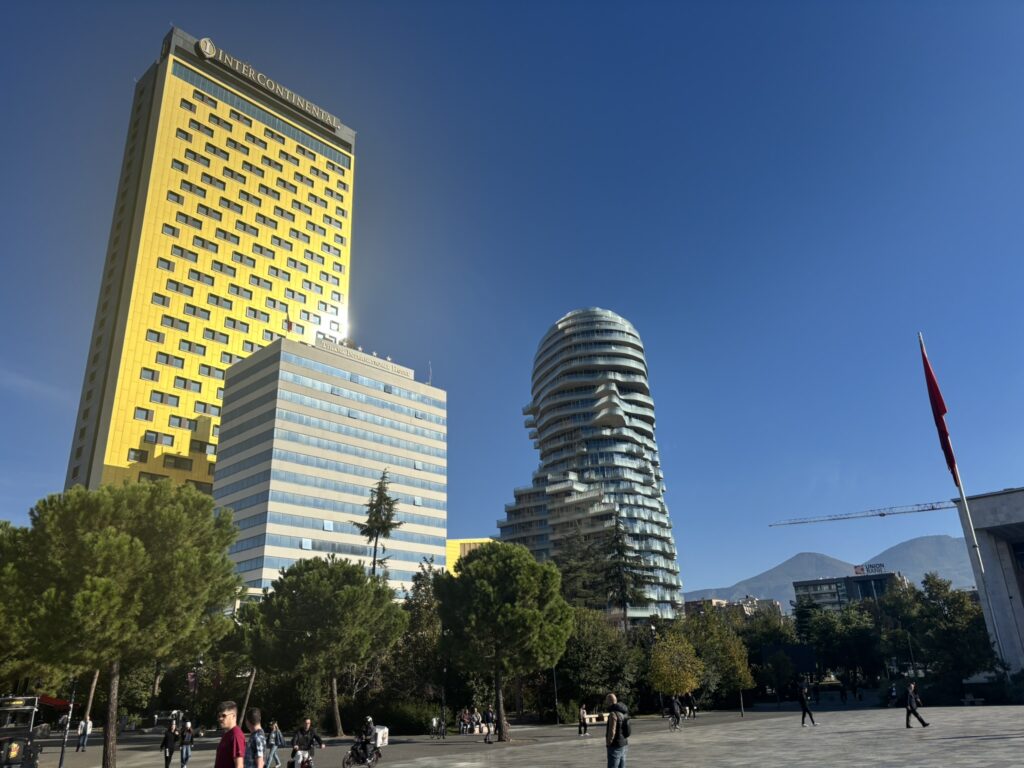
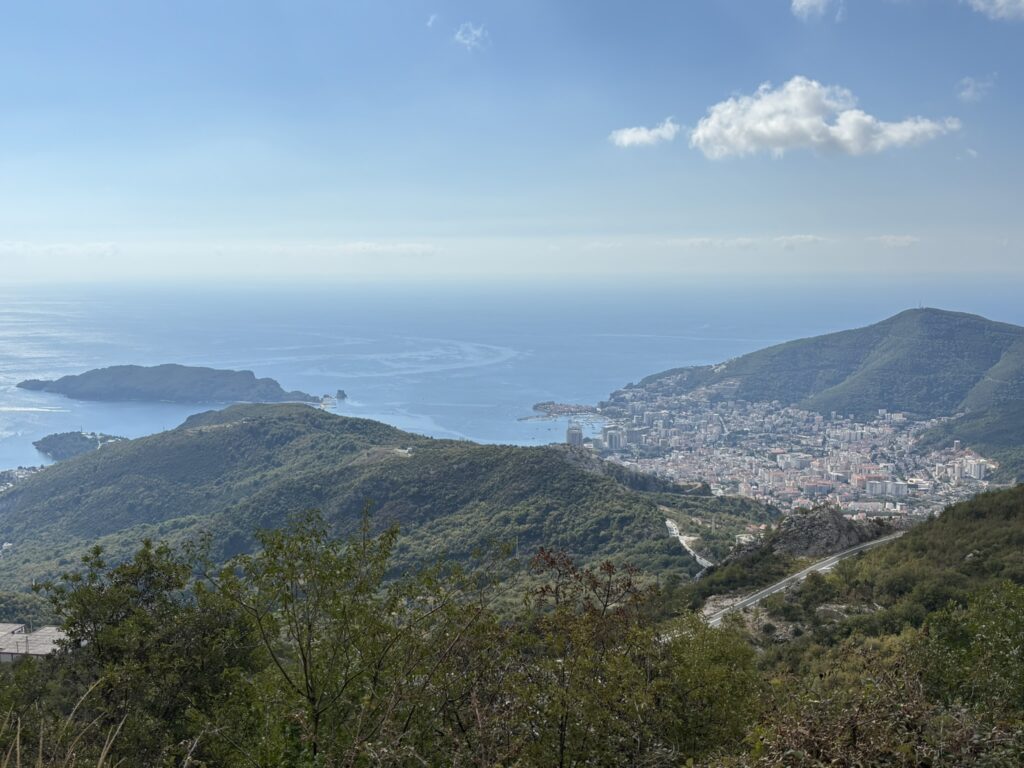
A beautiful sunny morning to start off the trip, with a drive to Tirana in store and two borders to cross. The first border is into Montenegro, and you have two lots of customs officials, one for leaving the EU, where you get out of the car to get a photo, and one into Montenegro. This is quite a time-consuming frontier which takes a good half hour at least. Drive down to Kamenari where you catch the ferry across the fjord to Lepetane. (€5 and 10 minutes, cards accepted) Down past Budva and are rerouted across to Podgorica due to a road closure. The bonus of this is an amazing view of the coastline on the climb up to the plateau. Pass Podgorica and down to the border with Albania at Hani I Hotit. This border takes another 20 minutes or so and then you are into Albania and a trip to Shkoder, which is certainly not the prettiest town you are ever likely to visit! It does have the Rozafa Castle up on a hill which may be worth a walk up to given time, but there is not a lot else to write home about. Albania is a strange mix of older buildings interspersed with the odd fancy modern construction such as a hotel or a casino. The Shkoder-Tirana road is a reasonable surface but is never a dual carriage way until the final haul into Tirana. Follow the satnav onto the Tirana Great Ring and into the city where we find our hotel, the Hilton Garden Inn. This is an extremely nice hotel and a comparable price to a typical Holiday Inn or Premier Inn in the UK. The receptionists are extremely welcoming and friendly but tell us that we cannot go into the city centre as there are protests going on and the main sights are full of police using tear gas and rubber bullets. Disappointing but hopefully we will be able to see something before we leave. The protests are anti government and have been going on for 5 days. The area round the hotel is fine though so we can have a walk and some food.
Day 2
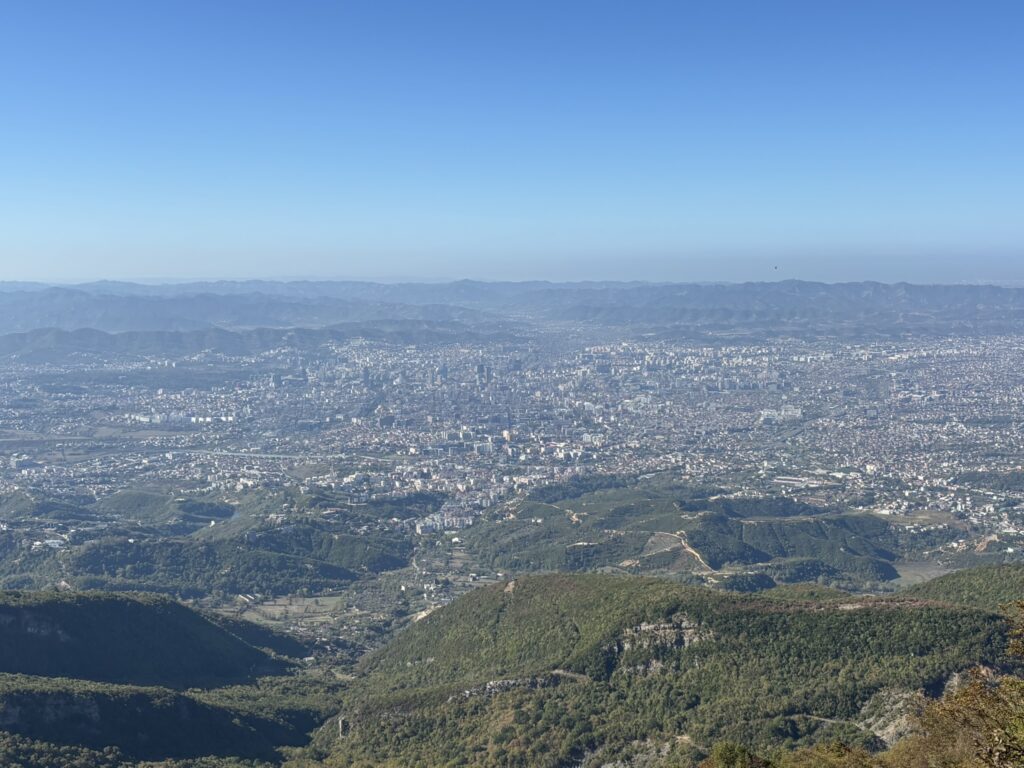
The next day we decide to go to the Dajti Expres, the cable car which climbs out of Tirana and up the mountains above the city. It is some 4 km long and provides fabulous views on a lovely sunny morning. (1500 Lek). You can really see the layout of the city which stretches a long way. Nearby there is Bunk’Art2, which is a museum in the largest of the 170,000 bunkers which were constructed during the cold war era of Enver Hoxha’s leadership. In this time Albania was a very isolated and poor society. Bunk’Art is a slightly misleading title as it is not really art, just lots of photos and explanations (in Albanian and English). The most interesting feature is really the bunker itself, which is huge, and has narrow corridors and small rooms, including a bedroom for Hoxha which he apparently never used. The photos are very interesting, charting the history of Albania from the Italian invasion in 1939 to the end of the Cold War in the 1990s.
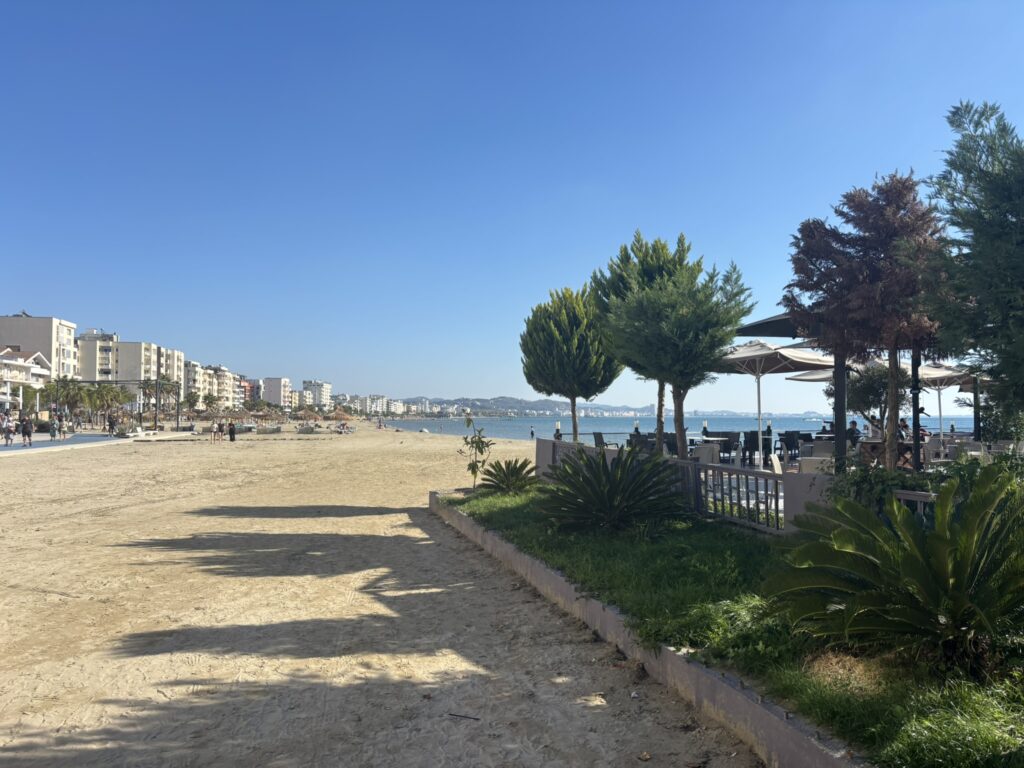
It is early afternoon by now and we decide to take a trip to the coast, for which Albania is becoming famous. Durres is a port with a long history and a population of around 150,000. Some of the roads on the way are awful, as we head up to Porto Romano there is a pothole slalom to do! The main beach however could be anywhere in Western Europe. A long stretch of sand with hotels, bars and restaurants. A very enjoyable walk along the beach and then return to Tirana. Protests still going on so reduced to staying in the immediate area of the hotel again.
Tirana to Skopje
Day 3
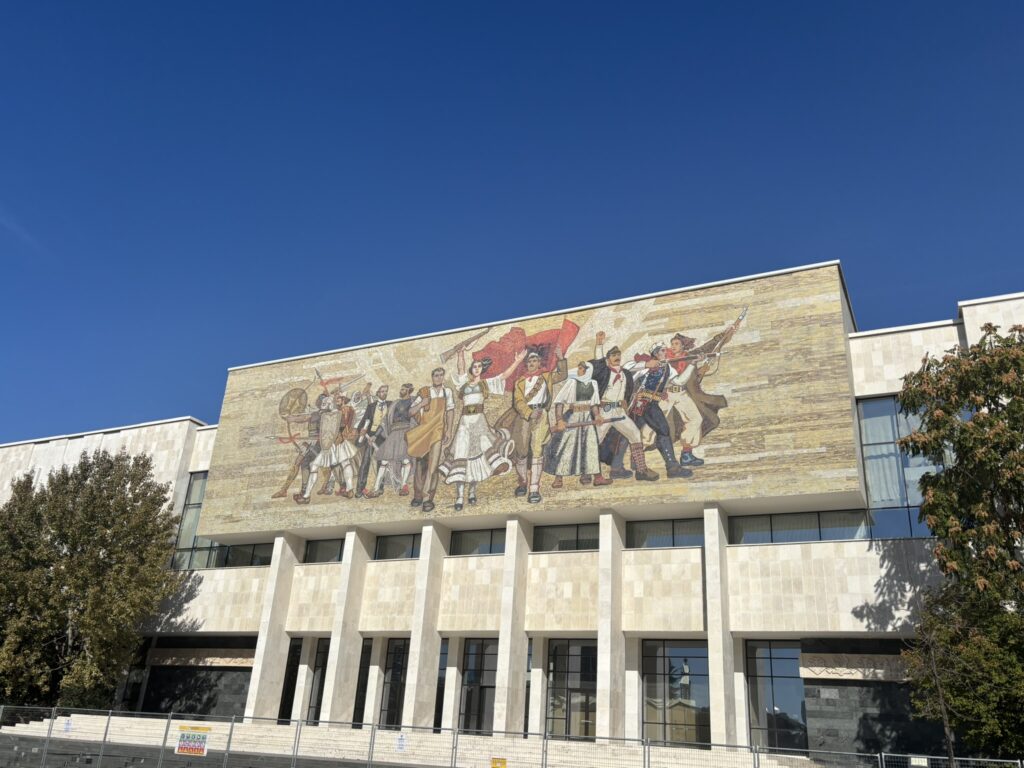
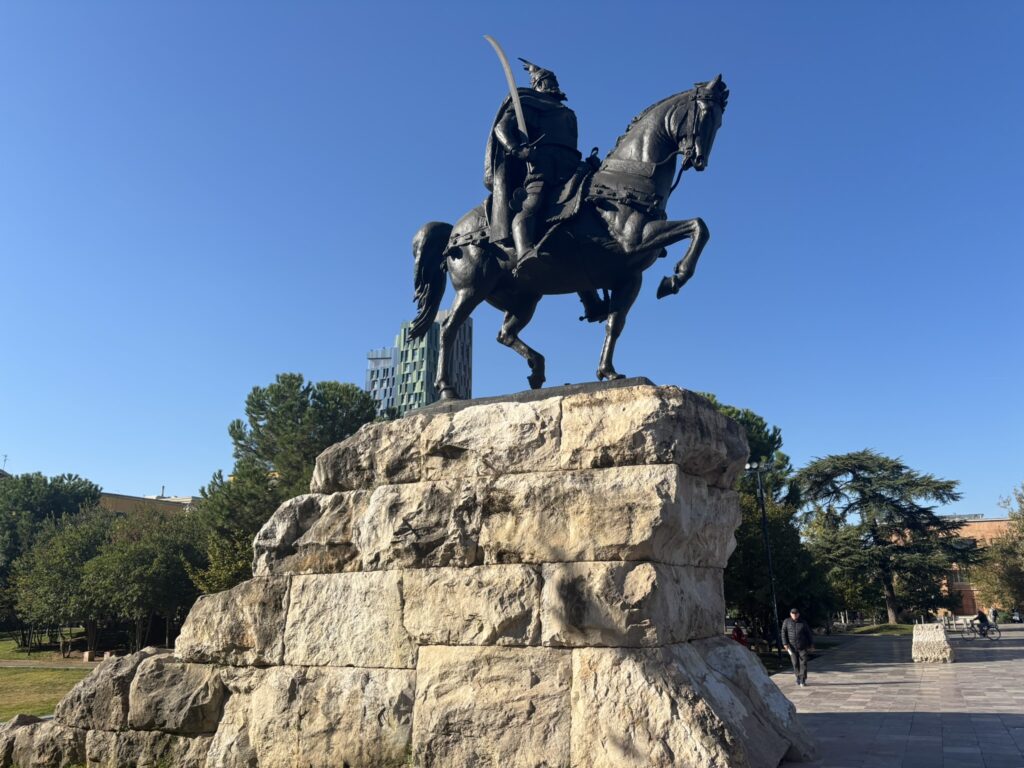
Protesters don’t seem to get out of bed too early, so we were able to finally see the centre of Tirana. It would have been extremely disappointing to have gone away without seeing the main sights. We drove straight into the middle of town and parked easily enough in a car park right next to Skanderbeg Square. The square is named after national hero and 15th Century leader Skanderbeg and is enormous! It is home to a large statue of Skanderbeg on horseback, the Palace of Culture, the Ethem Bey Mosque and various government buildings which had been the focus of the protests. We walk through the square, down to the Tirana Pyramid, which gives good views and is about 100 steps to climb, and back through Tirana Castle, which is now home to lots of bars and restaurants.
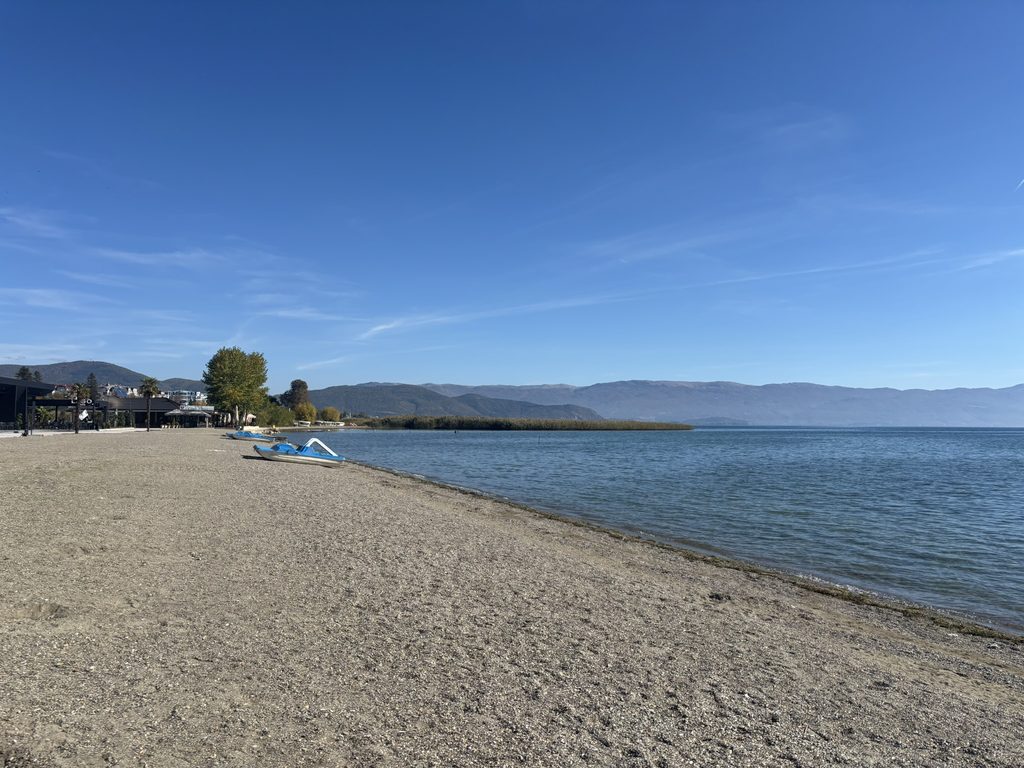
It was now time to leave Albania and head off to Skopje. Left Tirana on a decent road down to Elbasan and continued to the border crossing near Lake Ohrid. The last part of the road is quite a climb up as the lake is 693m above sea level. A relatively straightforward border crossing and we are in North Macedonia, some 2 hours after leaving Tirana.
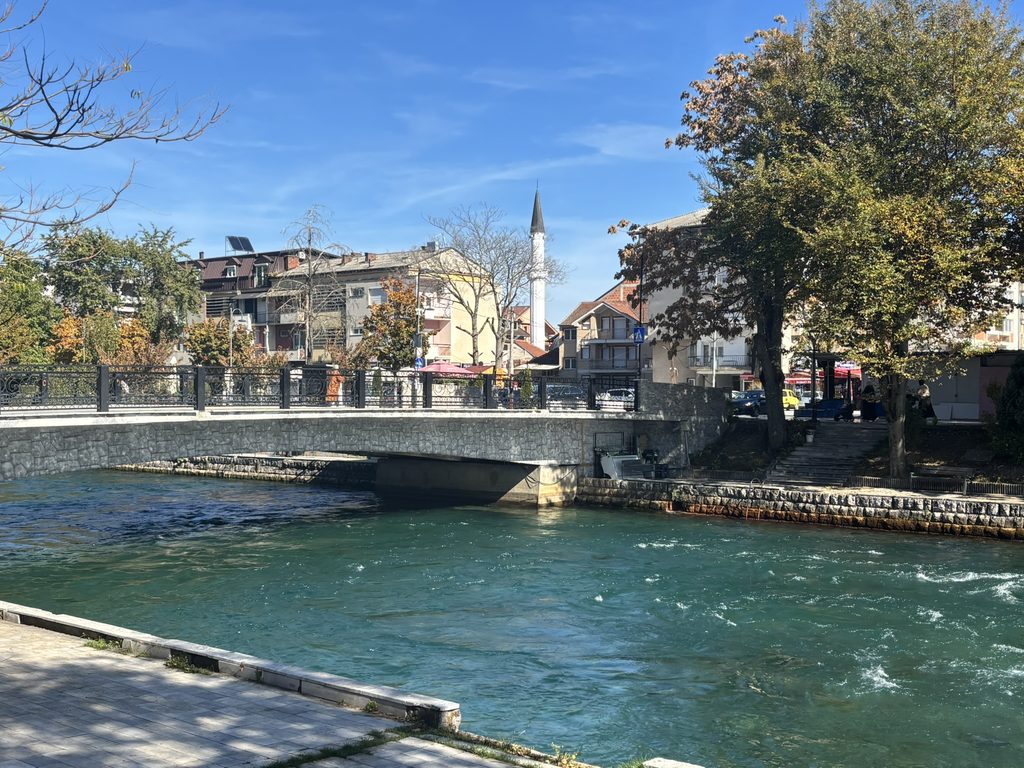
We stop in Struga to break the journey and to enjoy a walk around the lakeside town which creates a good impression. The lake has very clear water and the town has a river with many places to eat alongside it. Don’t spend a huge amount of time as we want to get on to Skopje.
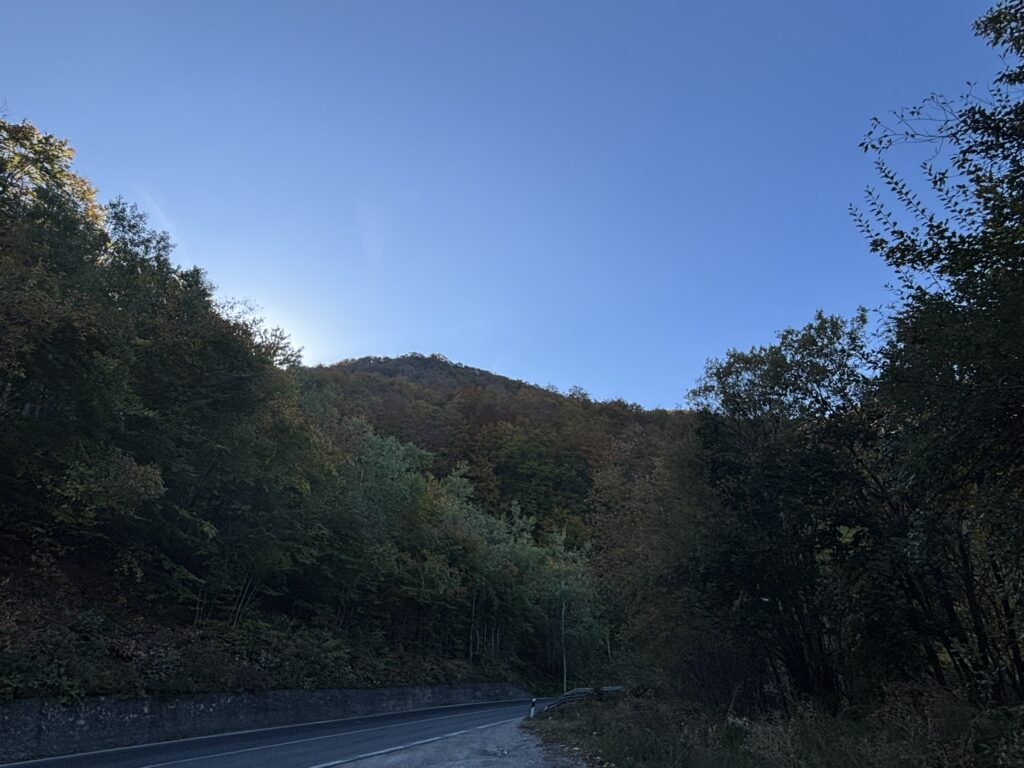
My memories of this drive are of the incredible autumnal colours on the tree covered hillsides on the way. Absolutely beautiful, with golden leaves dominating. The other peculiarity was that once you approach Skopje there were 4 pay stations on the road within about 15km, all charging around 1 Euro or 100 Denars. I had no cash which caused a problem in one part when I avoided a lane marked cash and ended up in an MCard lane. Don’t do that as it is a local card. I soon had 5 cars behind me which would have had to reverse had not the guy behind me taken pity on me and paid for me. Thank you!! Shortly after we were into Skopje and pulling up at the Park Hotel and Spa right next to the football stadium. Had a huge room with sitting area all for about £80.
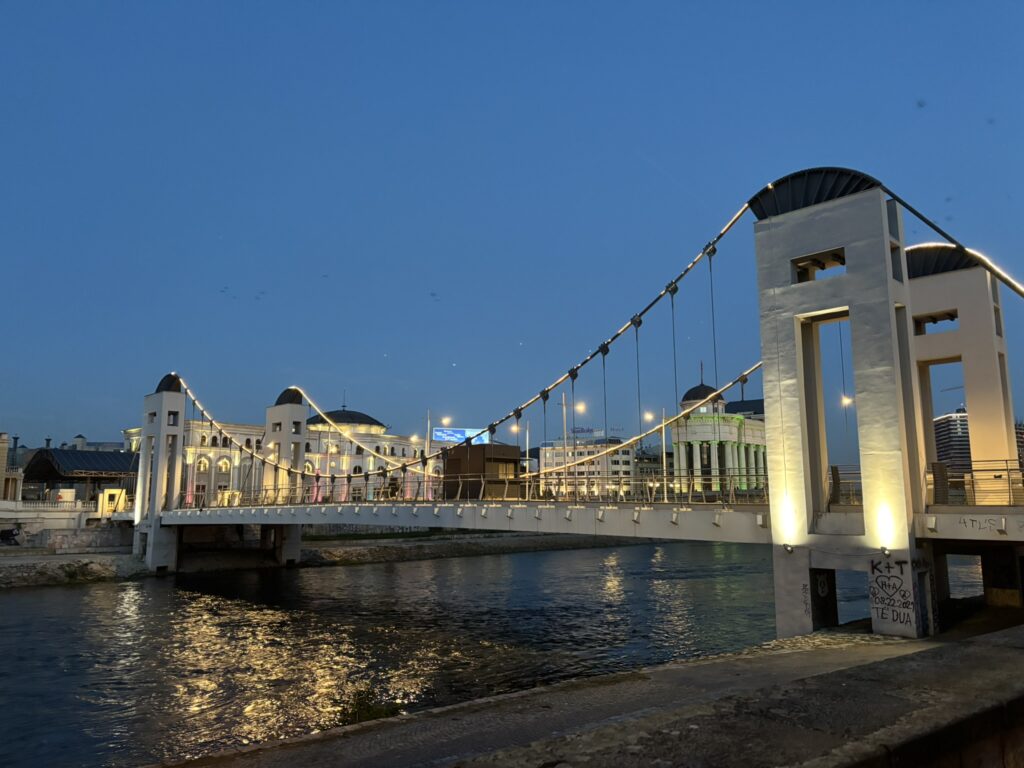
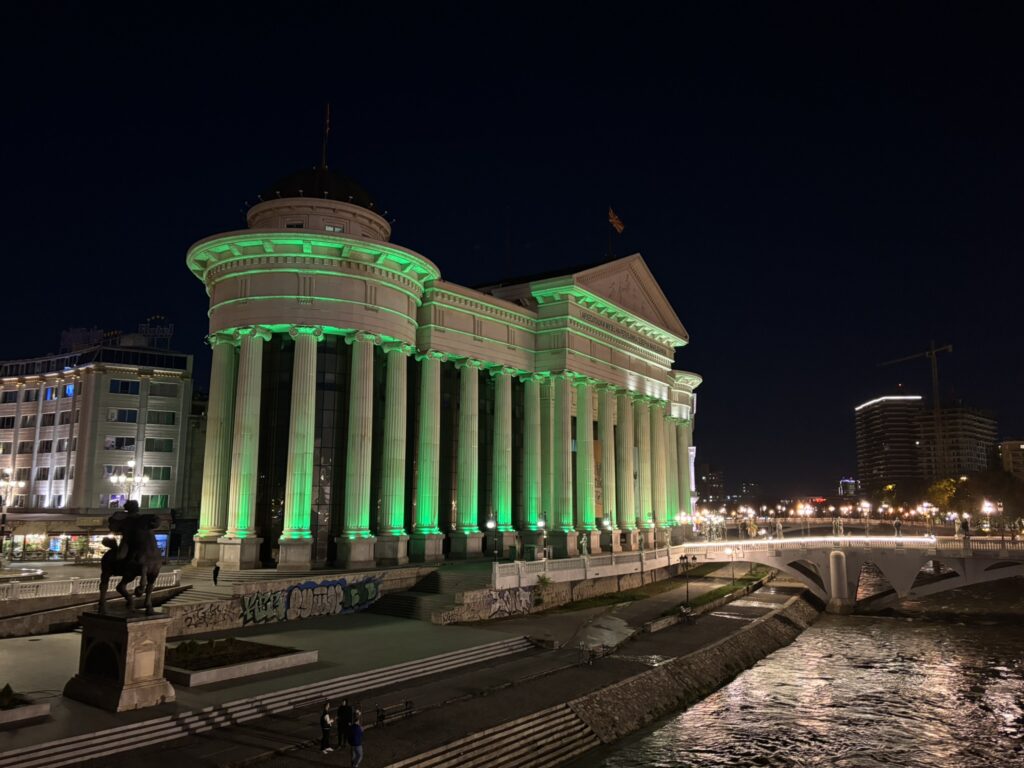
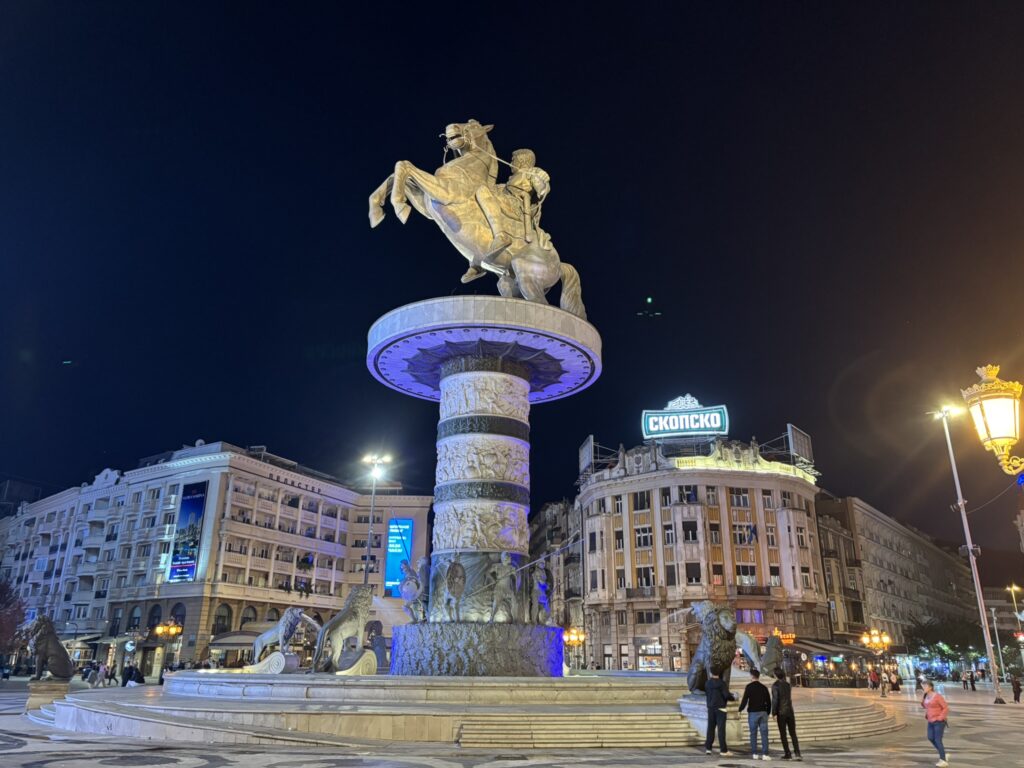
We were in a great location to walk into town along the river, which took about 15-20 minutes. Once you get into the centre there is a lot to see in a small area, mainly statues. I was travelling with my mother who had been here in 1966 just 3 years after an earthquake destroyed 80% of the city and killed over 1000 people. This explains why so much is new, but not the incredible number of statues. Turns out this was part of a 2014 development programme to give the city something interesting. Three main sights were the Stone Bridge, the enormous statue of Philip of Macedon and the Warrior on Horseback, a giant statue of Alexander the Great. Another reason for wanting to come here was the line in Race Across the World Series 1 when Darren tells his son something like “By the age of 23 he had conquered half the world and you can’t even make your bed!” Have a great walk round in the evening and go back to the hotel for a good dinner.
Skopje to Dubrovnik
Day 4
Having walked round Skopje the night before we planned to just head for Pristina and Kosovo after breakfast, as we had a far amount of driving to do to get to Ulcinj in Montenegro for the evening. The good news was that once we had left Skopje the road was very good. At the border into Kosovo I was directed into a little office to get an insurance document but was surprised that I didn’t need to pay. Also decided not to get any data for my phone for the 2-3 hours in Kosovo but followed good old-fashioned instinct to find the centre of Pristina when we got there.
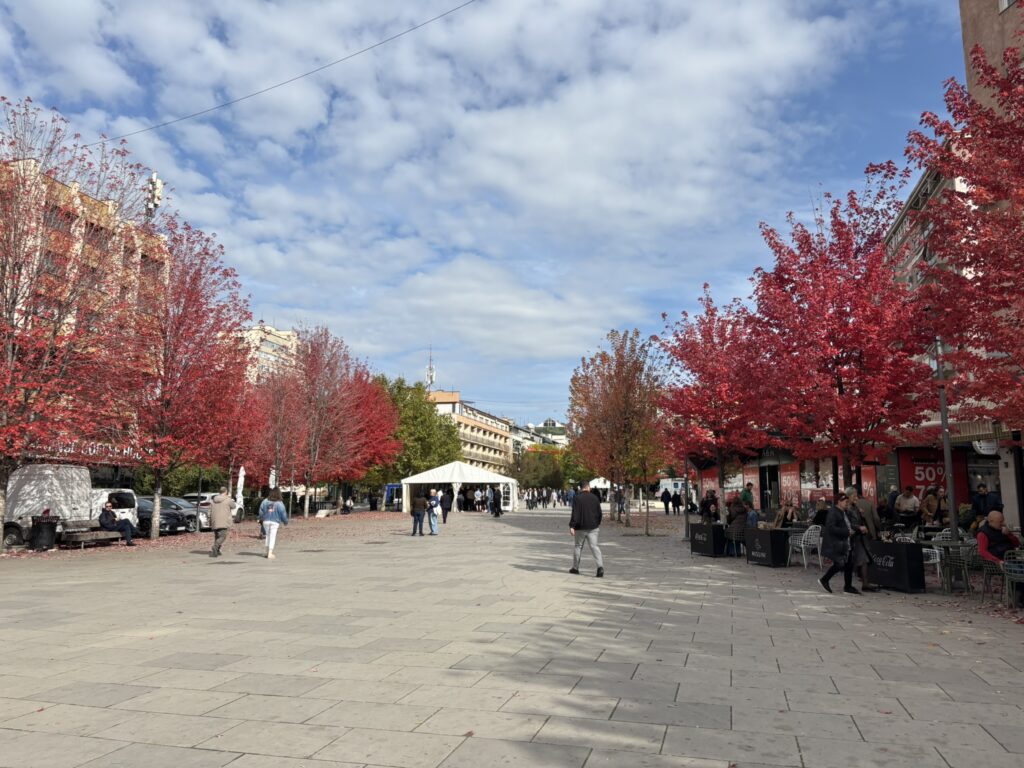
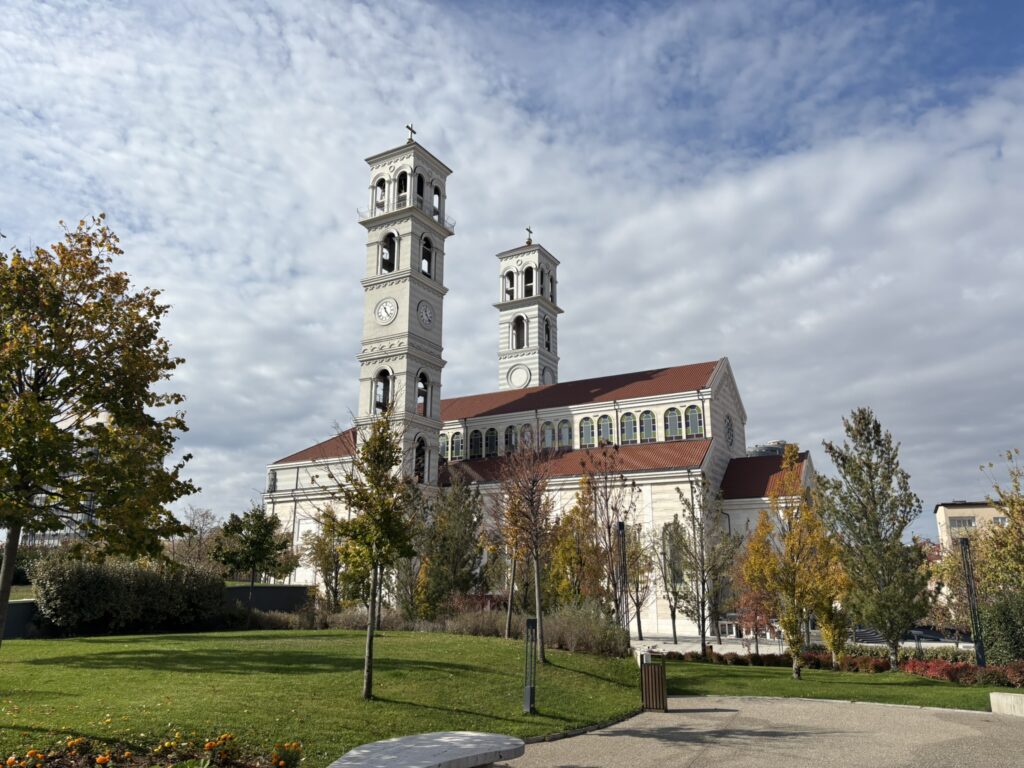
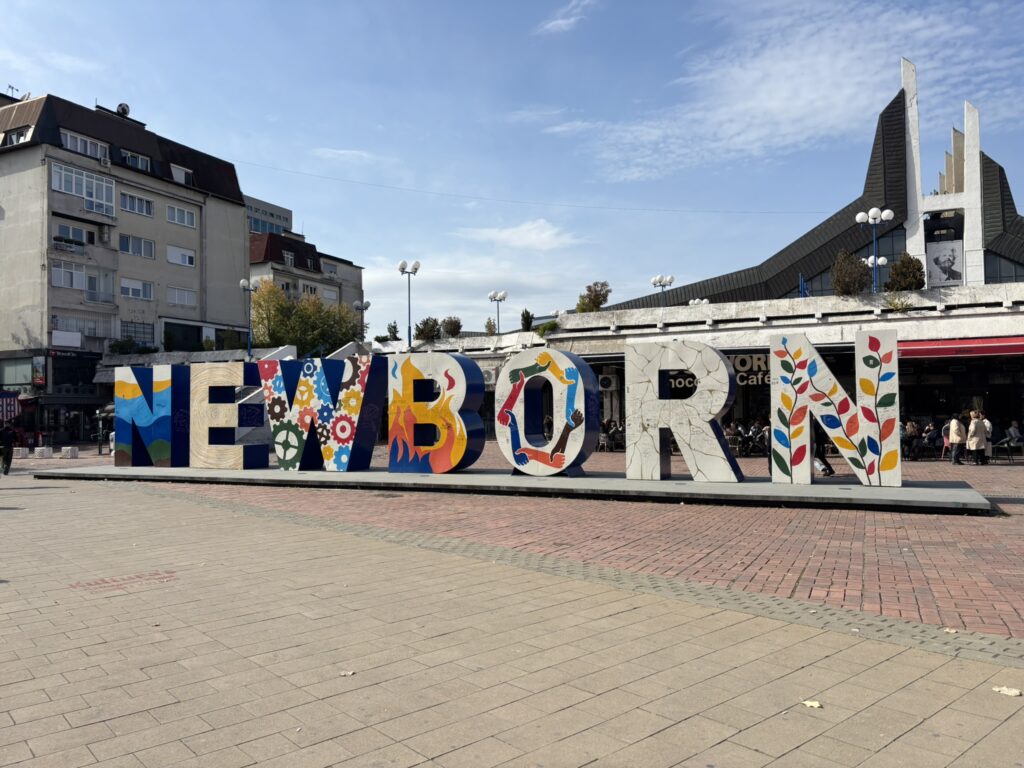
Found a car park next to the Mother Teresa Cathedral and walked along the main pedestrian street, Mother Teresa Boulevard, which has some amazing trees with the striking red leaves of Autumn. It also has a Mother Teresa statue and a Skanderbeg statue. From here we walk to the Newborn Monument, reminding us that Kosovo is the newest state in Europe (although only recognised by around 100 countries, which don’t include Serbia, Russia and China) We also see the Heroinat sculpture and the peculiar National Library of Kosovo.
A brief visit but an enjoyable one. Interesting to reflect that when I was growing up Yugoslavia bound all these countries together, and now Pristina was one of seven capital cities from Yugoslavia. We left Pristina and headed for Albania, following another excellent road towards Prizren. I would have been good to stop here but we did not have time. What was surprising was that the road continued to be of good quality right into Albania and beyond.
We went through Kukes, a sizeable lakeside town, and dropped down almost continuously from there towards Tirana. This was pretty wild country with very few settlements, but it was interesting scenery. Once we reach the flat land around Lezhe the road actually got worse as we head north towards Skhoder and Montenegro. This is not the most picturesque part of Albania and the weather also got worse. As we reached the border at Muriqan-Sukobin the rain came down torrentially. The crossing took around 40 minutes as well so we were pleased to reach Ulcinj somewhere around 6pm. Stayed in the Apartment Senator and ate a delicious meal at Il Galeone just next door.
Day 5
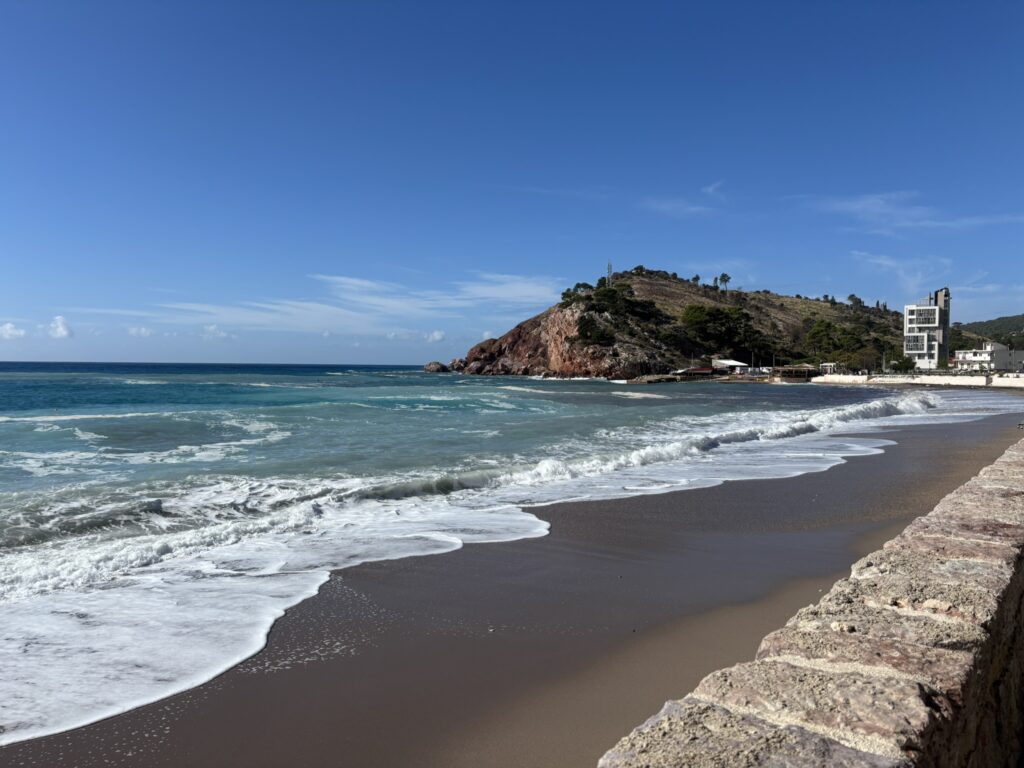
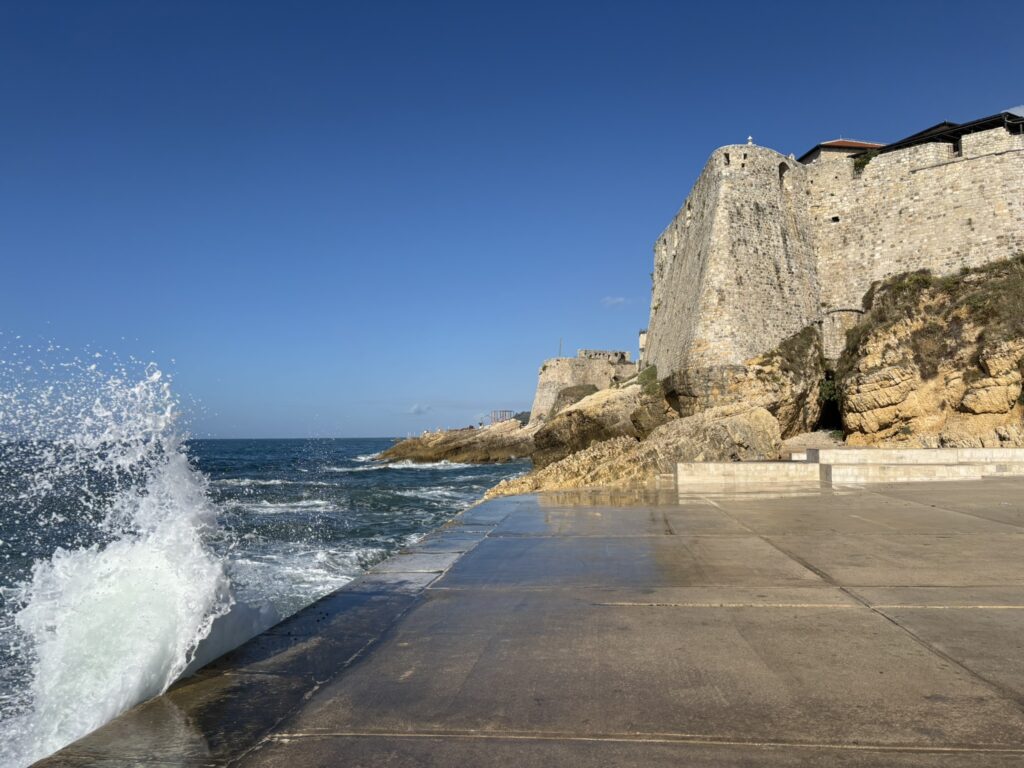
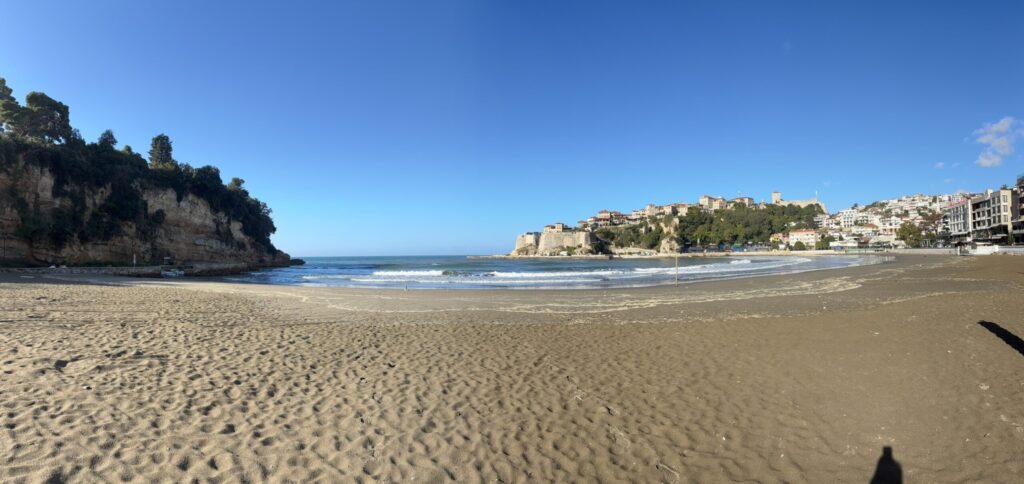
The next morning the storm had passed and the sun was out for a walk along the beach in Ulcinj. Making our way up through Montenegro was slow going, it really is extremely built up on the cost. We had a little walk in Sutomore which we had been to in 2007, and were planning to have a look at Budva Old Town, having driven past it a few times. Budva has had a huge development over the past years and was extremely busy and parking proved difficult, so we gave it a miss. On the road up to Tivat we also passed police every hundred metres or so, and looking it up it turned out there was a Berlin Process Leaders’ Summit going on, part of a process for Montenegro to join the EU. Eventually made it to the ferry and crossed into Croatia and reached Dubrovnik where we were staying in the Royal Neptun Hotel in Babin Kuk, a bit of relaxation for a couple of days at the end of the trip.
Dubrovnik
Day 6
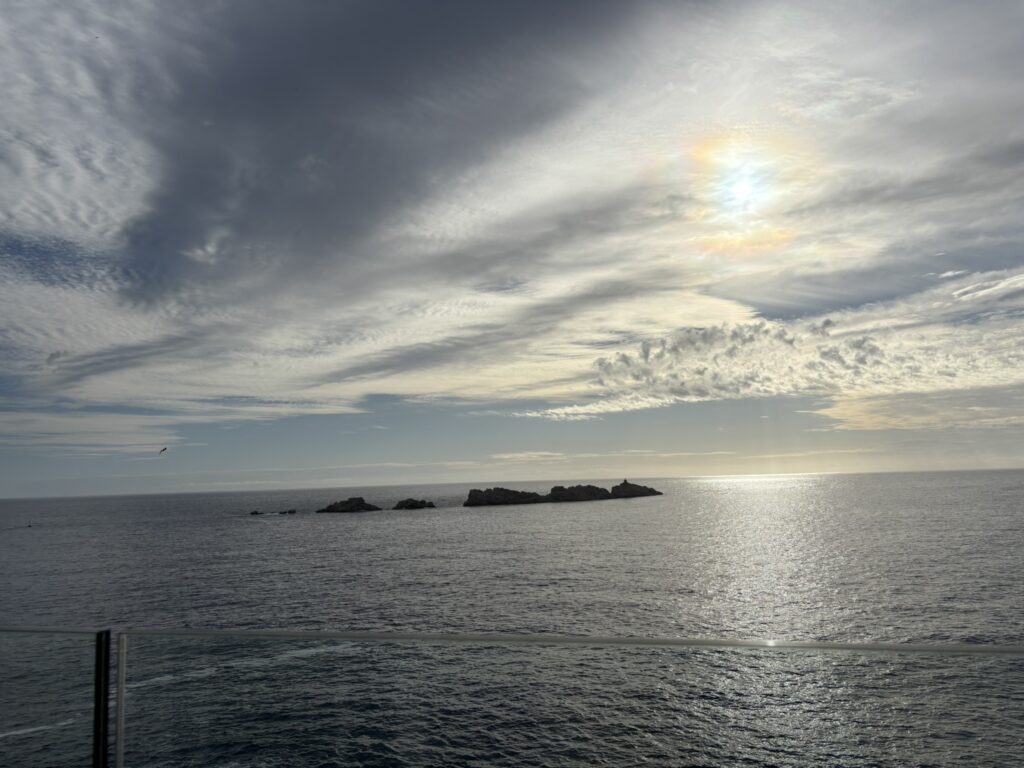
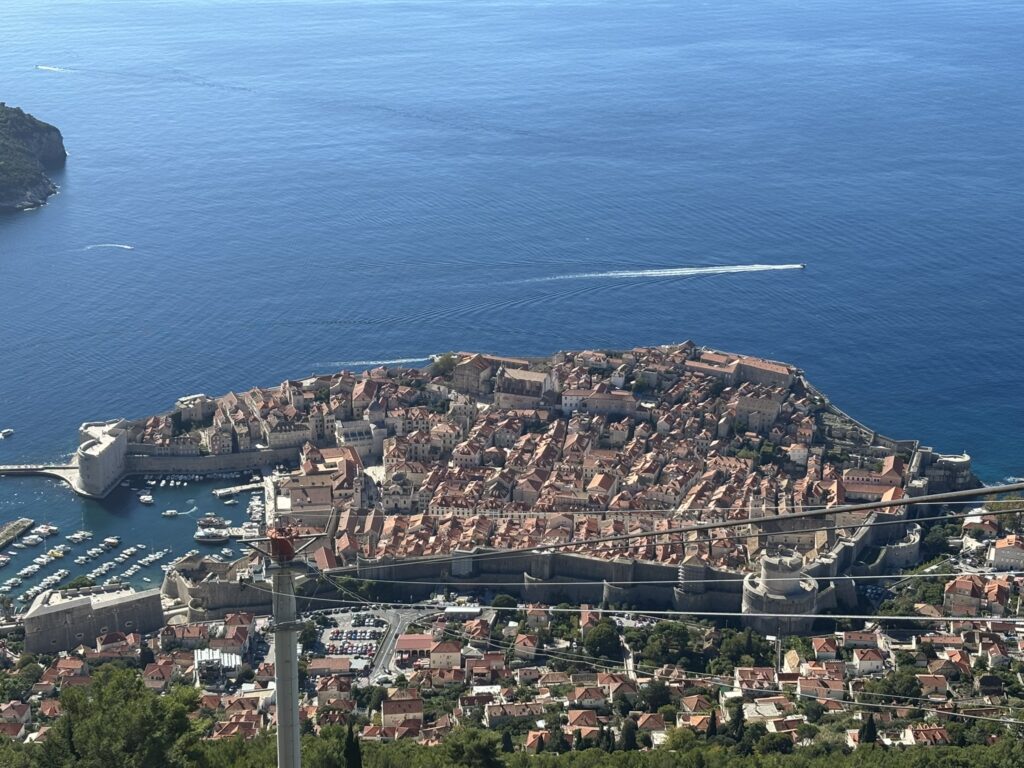
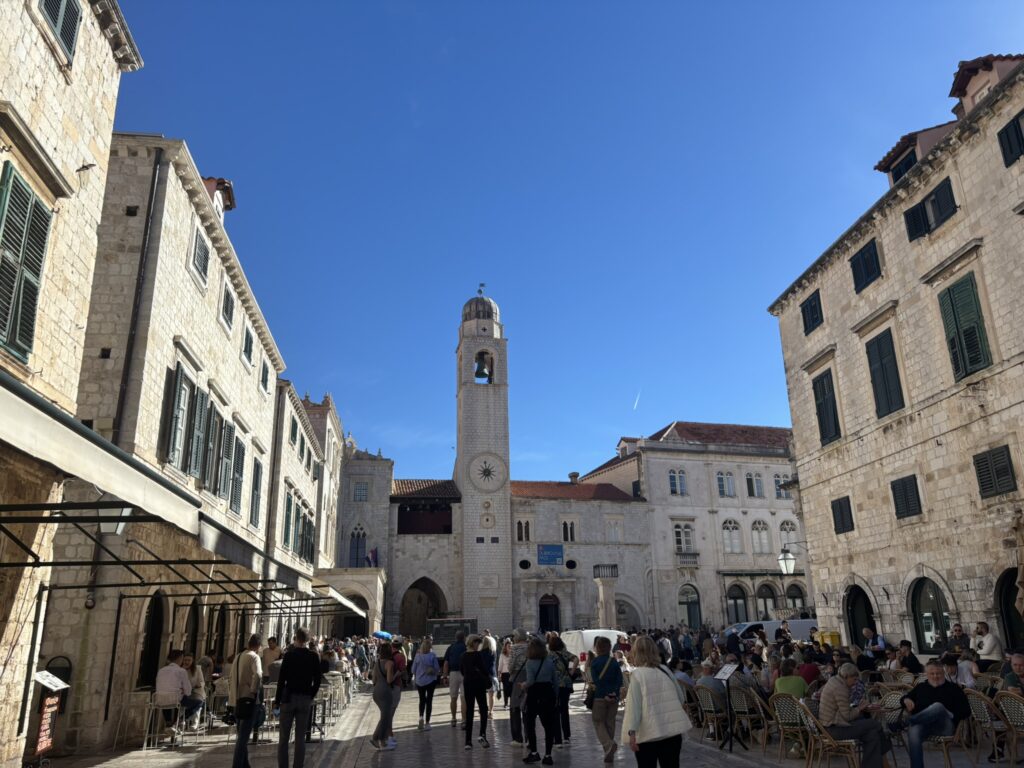
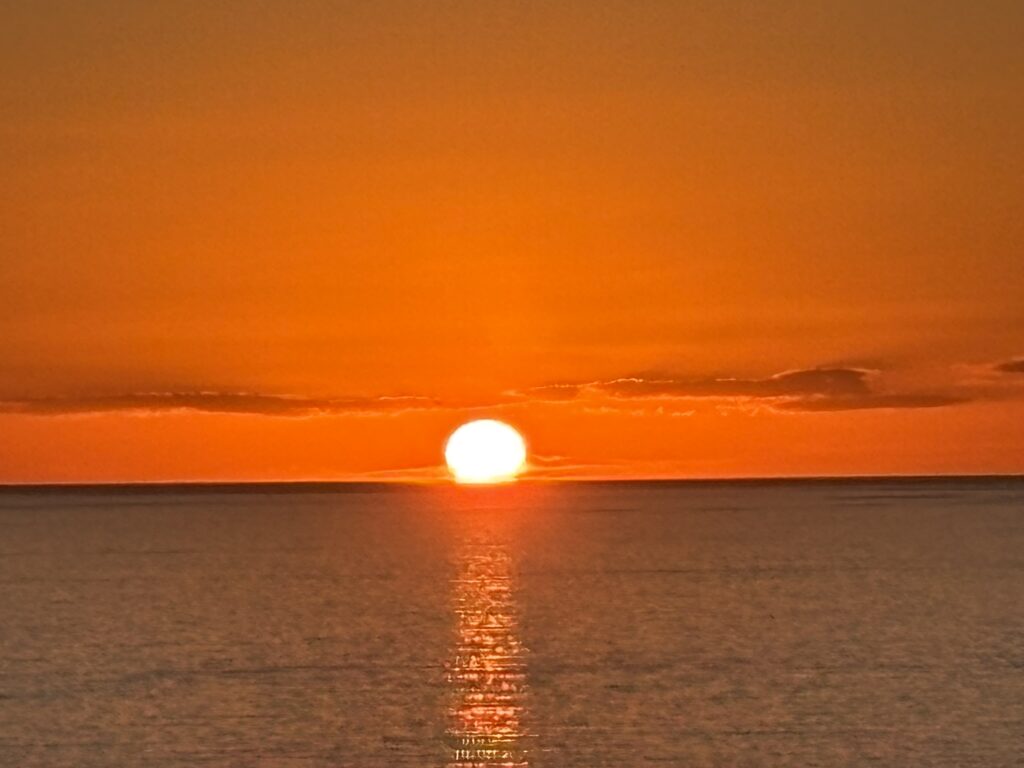
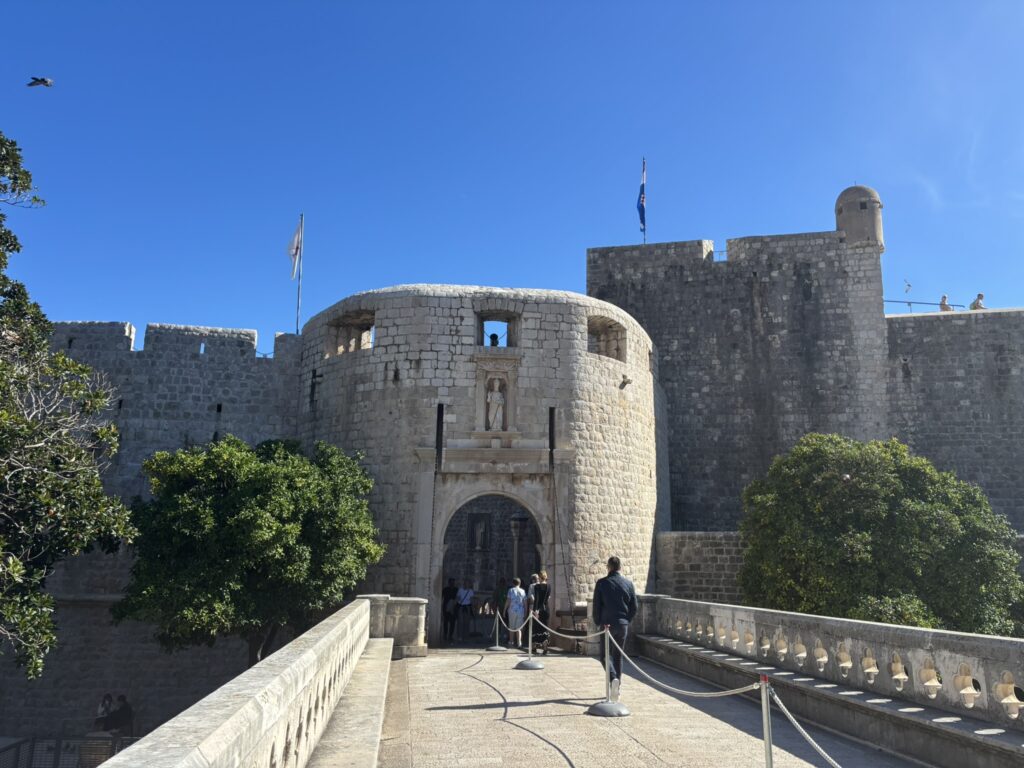
Dubrovnik is a well known tourist destination which is easy to access and to organise your own trip. For those reasons my summary of Dubrovnik will be brief. We spent our last two nights there, giving us 2 days as well. The first day we took the bus from Babin Kuk into the Pile gate, walked to the Cable Car and went up it. This is well worth the effort as it gives an amazing view of the old town and the whole Dubrovnik area. We then had a walk in the old town but didn’t bother with the walls as we had done these a few times before. In 2007 they cost 50 Kuna (around £4.50 at the time). Now it is 40 Euros! If you have not done it before I would definitely recommend it. The rest of the day we spent in the Babin Kuk area walking along the promenade to Lapad, enjoying the amazing sunset, and eating dinner.
Day 7
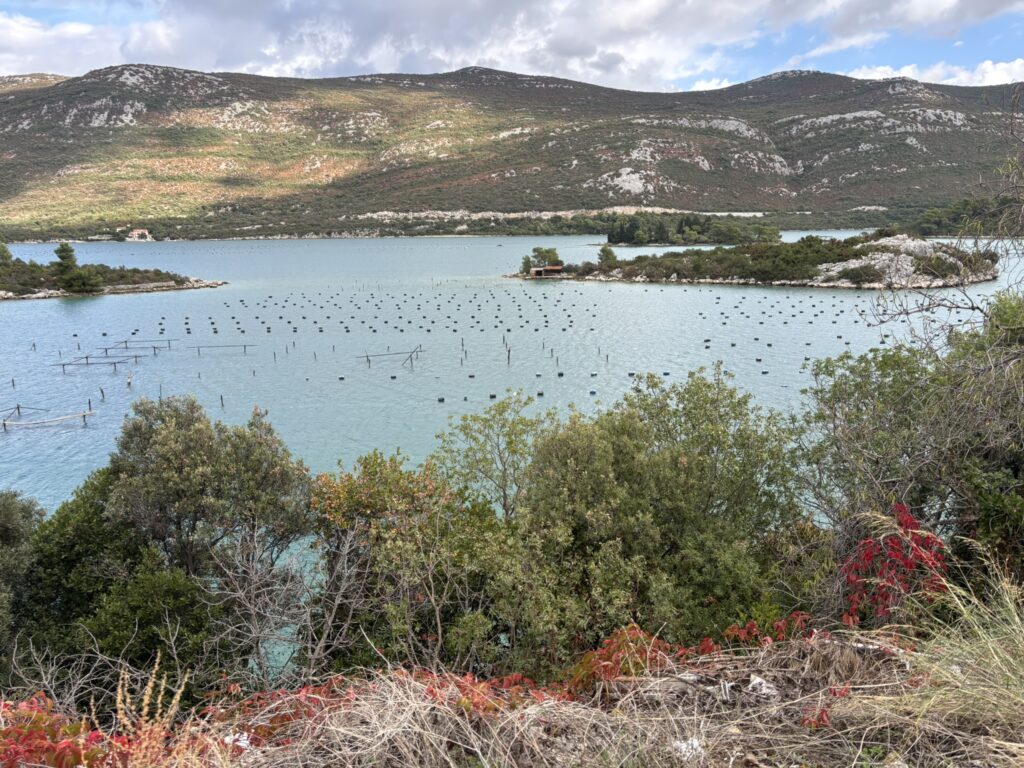
The following day we were flying home in the evening so went for a drive up to Ston. This is the town on the edge of the Peljesac Peninsula and is well worth a visit. Ston is known for a few things: the walls of Ston which cover the hillside; the local oyster farms; and the salt flats. From here we took a brief trip into Bosnia and its sea enclave at Neum, which was dead! After about half an hour we crossed back into Croatia and crossed the new bridge back towards Ston. Previously you had to go through Bosnia to come from the north down to Dubrovnik but when the bridge opened in 2022 it meant you could stay in Croatia the whole way, a move not without controversy. I suggest it has not done much for Neum. Our final hours were then spent in Cavtat, a lovely town close to the airport where you can walk round the headland and enjoy the stylish harbour.
Practical Info
On a road trip which took in 6 countries, there were a lot of border crossings involved. This can be time-consuming as the last 10 years have seen a clamp down. Croatia is an EU state and more passport controls are in place involving finger prints and photos, especially since Brexit. Albania, Montenegro, North Macedonia, Bosnia and Kosovo are not in the EU so didn’t need the photos. The Bosnia-Croatia border was the only one which needed fingerprints. You will also need a Green Card with the car documents, which should be available from the car hire provider, as an extra. You must declare where you are going when you get the car, and when booking the car make sure cross border travel is allowed. I used Enterprise as they were clear that all the countries were permitted. I was told that Kosovo would charge €15 but although I had to go to an insurance desk at the border it was free.
If you want to use your phone in any of the countries visited, you will need to check your plan and provider. I have a phone contract which includes the EU. Once in Montenegro and Albania I had to buy a 7 day Zone 1 pass which cost £30. Annoyingly North Macedonia was in Zone 3 so the choice was £8 a day (limited data), and Kosovo was in Zone 2 which would have been another £8, but I did without given a short time period. It is really helpful when driving to have data, and it was certainly easy to arrange- a text from EE and a buy pass option.
The vast majority of places on the trip took cards so although Albania is reputed to be a cash society the only place I was told we had to pay cash was a petrol station between Shkoder and Ulcinj, and I needed to try to use up my excess Albanian Lek anyway!
Croatia, Kosovo and Montenegro use Euros
North Macedonia uses Denars
Albania uses Lek
Bosnia uses Convertible Marka The only issue I came up against was making a mistake with the Albanian Lek. I thought I would need a small amount of cash so went to an ATM and got confused on a very sunny screen by the smallest amount being 10000 lek. I miscalculated by a factor of 10 and ended up with 10 times more lek than I wanted. It is not easy to get rid of either once you leave Albania, as no one else much wants it!
English was widely spoken in all the countries we visited, certainly in all venues associated with tourists but elsewhere as well. Fortunate as I have no knowledge of Balkan languages. One thing to be aware of is that Montenegro and North Macedonia do use Cyrillic script on a lot of signs, usually alongside the roman alphabet, and a little knowledge of that is useful.